Original: $750.00
-65%$750.00
$262.50The Story
Transform Your Landscape with Striking Desert Elegance
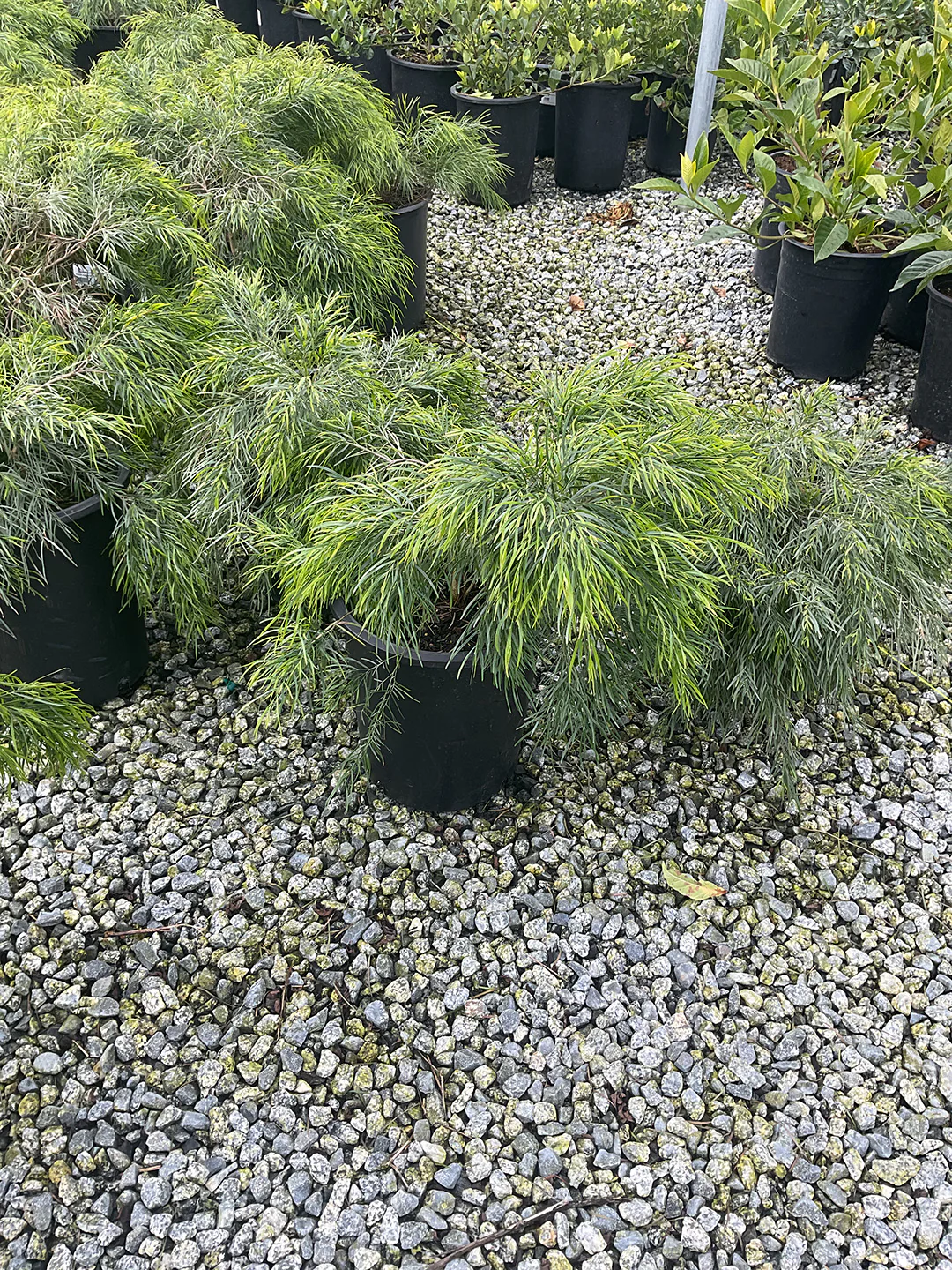
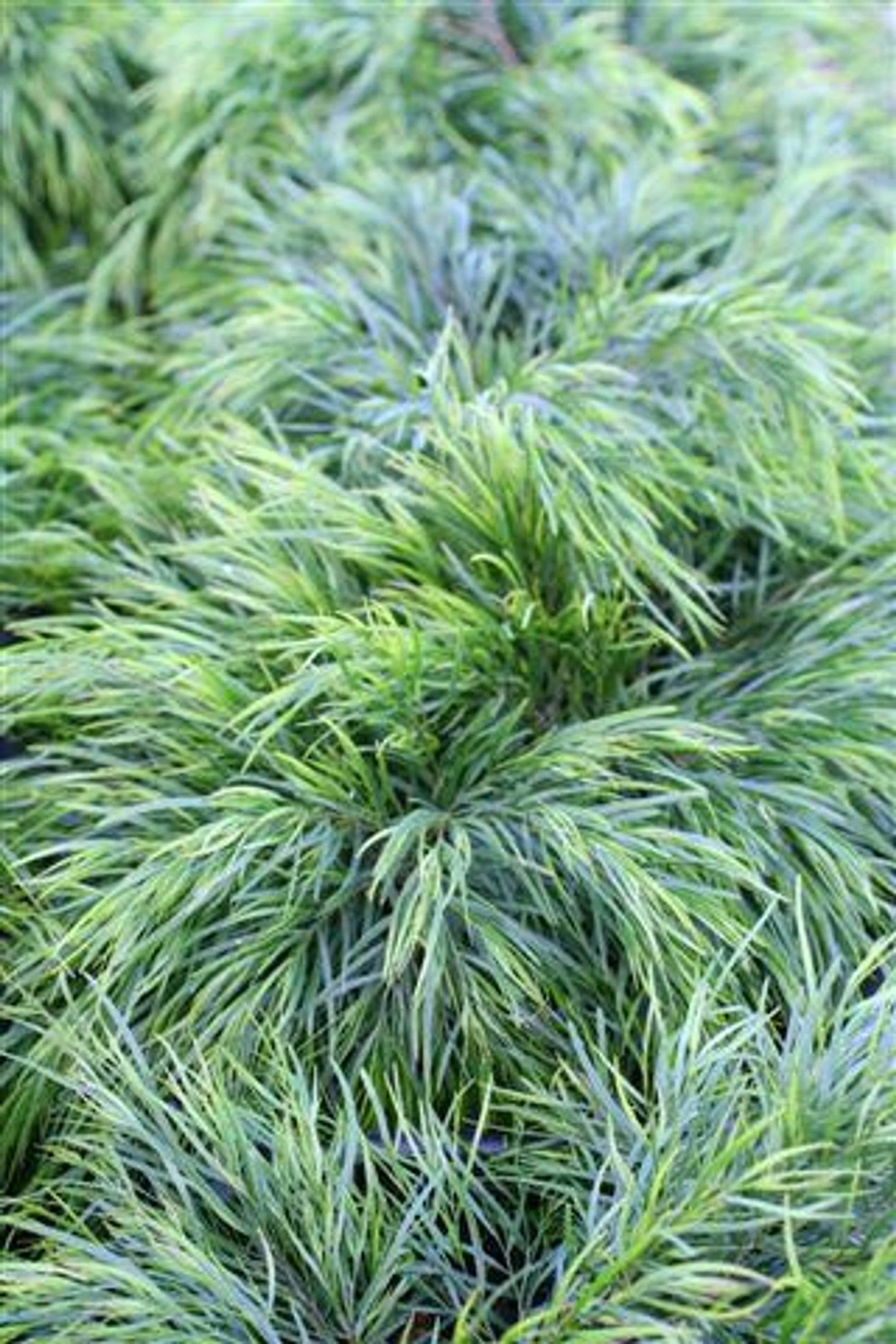
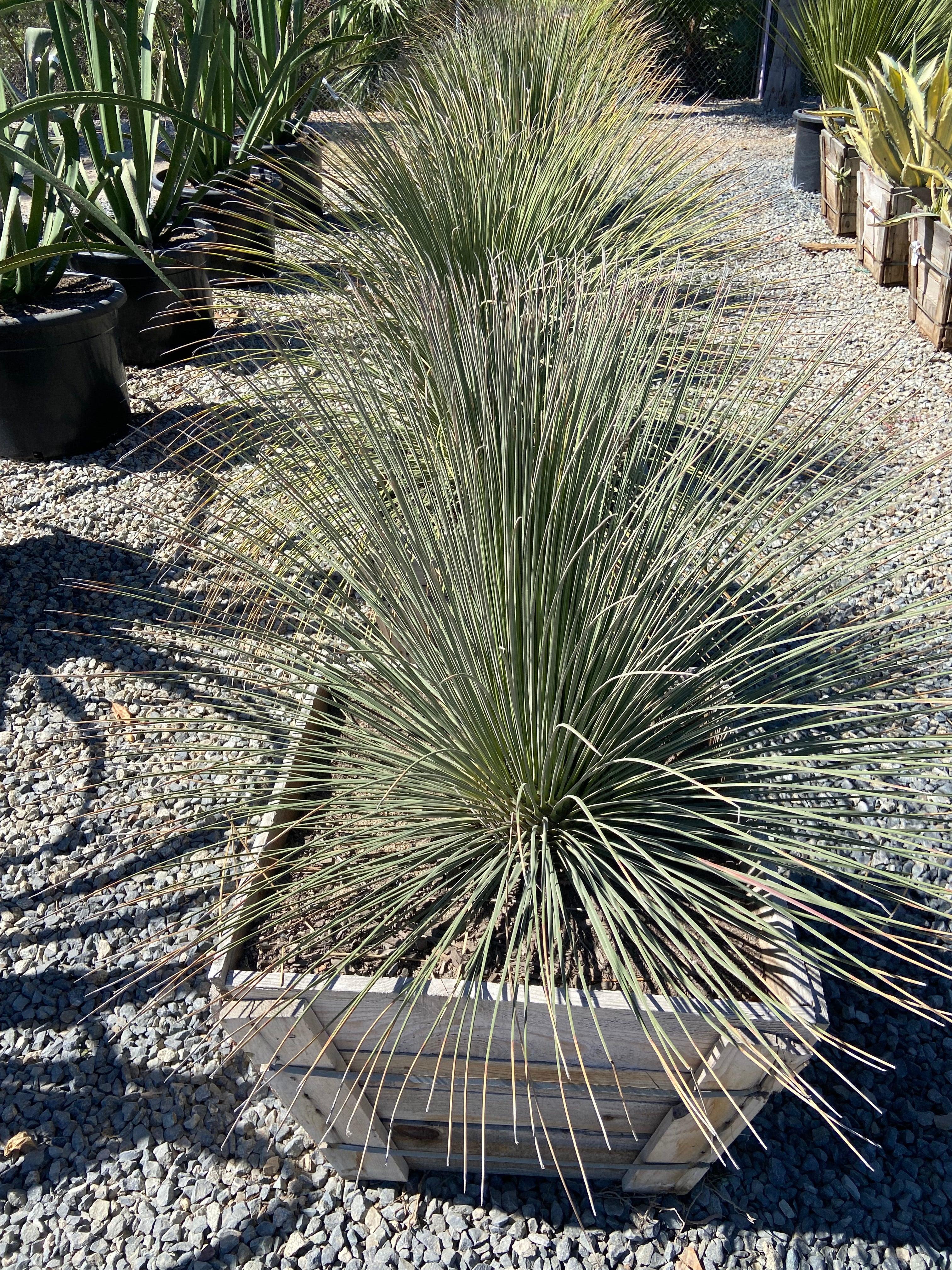
The Mexican grass tree is a drought tolerant, sculptural plant for creating a bold desert focal point with very low water use. Its rounded crown of long, thin, blue-green foliage radiates from the center in a clean, symmetrical form that brings structure to modern, Mediterranean, xeriscape, and rock garden designs.
Also known as mexican grass, this evergreen grass tree is especially useful in California landscapes where heat, drought, and maintenance matter. Once established in well draining soil, it requires little water, handles sun well, and delivers year-round texture without constant pruning or upkeep.
Why You’ll Love It
-
Drought Tolerance – The Mexican grass tree is drought-tolerant and requires low water use, making it suitable for water-wise gardening practices and California’s dry summer conditions once established.
-
Architectural Beauty – The Mexican Grass Tree (Dasylirion longissimum) features a rounded mound of ridged leaves that radiate from the center, with narrow blue-green foliage measuring 3 to 4 feet long.
-
Low Maintenance – Mexican Grass Tree is known for its low water use and easy care, making it a popular choice for drought-tolerant landscaping and rock gardens.
-
Spectacular Blooms – This succulent can grow a large woody trunk that reaches heights of 6 to 10 feet, and produces a tall flower spike of small creamy flowers that can reach up to 9 feet in height during late spring to summer.
-
Year-Round Interest – These evergreen succulents are prized in modern, Mediterranean, and xeriscape landscapes for their striking symmetry and water efficiency.
The leaves of the Mexican grass tree lack sharp, tooth-like spines, making them safe for high-traffic areas compared with many desert species. The foliage is still stiff and architectural, but the plant is easier to place near paths, raised planters, entries, and outdoor living spaces where people may pass close by.
What Makes It Different
Most desert plants either stay low to the ground, lack strong structure, or require more cleanup than expected. Dasylirion longissimum gives you the drama of a tall desert specimen with the restraint and symmetry of a refined design plant.
-
Unique Spherical Form – The Mexican grass tree is valued in landscaping for its unique sculptural form and drought tolerance, making it suitable for water-wise gardens and xeriscaping.
-
Trunk Development – A single Mexican grass tree can live for 40 to 50 years or longer, slowly developing character and, with age, a large woody trunk that gives mature plants a tree-like presence.
-
Wind Movement – Its long, thin leaves can quiver and sway in a light breeze, creating a mesmerizing motion effect that softens stone, gravel, concrete, and other hardscape surfaces.
The Mexican grass tree is highly prized as a drought-tolerant architectural accent in xeriscape and modern Mediterranean-style landscapes. Similar structural succulents like the century plant (Agave americana) can play a comparable role in arid garden design. It also carries deep roots beyond garden design: the Mexican grass tree holds deep cultural, ritual, and survival significance for Indigenous peoples of northern Mexico and the American Southwest, and cultural and ecological significance is recognized today for the Mexican grass tree as a symbol of the Chihuahuan Desert.
How To Grow The Mexican Grass Tree Successfully
-
Plant in Well-Draining Soil
Choose a full sun location with open space for the crown to develop wide and tall over time. The Mexican grass tree requires good drainage and does not tolerate soggy soil, making it essential to plant it in well-draining conditions. Raised planters, rock gardens, slopes, and gritty soil mixes are all nice options. -
Minimal Watering Needed
Water deeply during the first growing season to help the plant establish. After that, reduce irrigation and let the soil dry well between waterings. In many climates, established plants need only occasional deep water during prolonged drought rather than weekly watering, similar to other desert-adapted shade trees like the thornless South American mesquite (Prosopis hybrid ‘Phoenix’). -
Enjoy Years of Growth
This is a slow-growing species, but that is part of its value. Over time, the plant can expose more of its textured base and trunk, hold its striking symmetry, and produce tall flower spikes in late spring to summer when mature plants are ready.
This plant prefers full sun but may need some protection from harsh afternoon sun in extremely hot regions to prevent leaf scorch. In very hot inland areas, morning sun with light afternoon protection can help keep the foliage looking clean while still giving the plant the heat and light it loves, much like sun-loving palms such as the Mexican fan palm (Washingtonia robusta).
Plant Details
-
Scientific Name: Dasylirion longissimum
-
Pronunciation: das-ee-LEER-ee-on lon-JISS-ih-mum
-
Common Name: Mexican Grass Tree
-
Plant Type: Evergreen succulent / architectural desert accent
-
Mature Foliage Form: Rounded mound with narrow, ridged blue-green leaves radiating from the center
-
Foliage Length: 3 to 4 feet long
-
Mature Trunk Height: Can develop a large woody trunk reaching 6 to 10 feet with time
-
Flowering: Tall flower spike with small creamy flowers reaching up to 9 feet during late spring to summer
-
Growth Rate: Slow
-
Lifespan: A single Mexican grass tree can live for 40 to 50 years or longer
-
Hardiness: The Mexican grass tree is heat-tolerant and cold hardy down to 15°F to 20°F (USDA Zones 8–11)
-
Light: Full sun; protect from harsh afternoon sun in extremely hot regions
-
Soil: Well draining soil is required; avoid soggy soil
-
Water: Low water use once established
-
Best Uses: Xeriscape beds, modern Mediterranean landscapes, rock gardens, borders, raised planters, large containers, and focal-point planting alongside complementary desert trees such as the California pepper tree (Schinus molle)
The tough, flexible leaves of the Mexican grass tree were used by Indigenous peoples for utilitarian weaving and crafting durable items. Indigenous groups have been pit-roasting and consuming the core of the Mexican grass tree for over 9,000 years. Sotol, a distilled spirit similar to tequila and mezcal, is one of the most famous cultural legacies of the Mexican grass tree, while ornamental flowering trees for California gardens offer a different way to bring seasonal interest and history-rich plants into the landscape.
Who It’s For
Ideal for:
-
California homeowners creating drought-tolerant landscapes
-
Desert garden enthusiasts seeking architectural plants, including other statement succulents like the century plant (Agave americana) and online-available Mexican Grass Tree (Dasylirion longissimum) sizes
-
Busy gardeners wanting low-maintenance focal points
-
Modern landscape designers needing sculptural elements, privacy screens, and structure from options such as evergreen and fast-growing privacy trees or statement conifers like Monterey cypress (Cupressus macrocarpa)
This plant can serve as a striking focal point in outdoor landscapes, particularly when used in raised planters or large containers. Mexican grass trees are effective as accent plants or in mass plantings, providing visual interest and texture in rock gardens and borders.
If you want a hardy, long-lived plant that brings structure without high maintenance, the Mexican grass tree is a strong fit. Give it sun, drainage, and enough space for its mature size, and it will grow into a dramatic specimen that anchors the landscape for decades.
Frequently Asked Questions
How much water does it need?
The Mexican grass tree is drought tolerant and requires low water use once established. Water deeply during the first season, then reduce irrigation as roots develop. In dry summer weather, occasional deep watering is usually better than frequent shallow watering. Avoid soggy soil, especially in cool or cold weather.
How big does it get?
The Mexican Grass Tree (Dasylirion longissimum) forms a rounded mound of ridged, narrow blue-green foliage measuring 3 to 4 feet long. With age, this succulent can grow a large woody trunk that reaches heights of 6 to 10 feet, and mature plants can produce a tall flower spike of small creamy flowers that can reach up to 9 feet in height during late spring to summer.
Will it survive California winters?
Yes, in the right climate and placement. The Mexican grass tree is heat-tolerant and cold hardy down to 15°F to 20°F (USDA Zones 8–11). In colder inland or high-elevation areas, choose a protected microclimate, avoid cold air pockets, and keep the crown and base out of wet, poorly drained soil.
Ready to Create Your Desert Oasis?
Choose the Mexican Grass Tree (Dasylirion longissimum) for a drought tolerant, sculptural focal point that brings symmetry, movement, and long-term value to your outdoor space, and pair it with productive fruiting options like a Valencia orange tree for sun-soaked yards.
We can help you choose the right size, placement, and companion plants for your landscape. Order your Mexican grass tree for California delivery and enjoy expert guidance plus plant guarantee support from our team.
Description
Transform Your Landscape with Striking Desert Elegance
The Mexican grass tree is a drought tolerant, sculptural plant for creating a bold desert focal point with very low water use. Its rounded crown of long, thin, blue-green foliage radiates from the center in a clean, symmetrical form that brings structure to modern, Mediterranean, xeriscape, and rock garden designs.
Also known as mexican grass, this evergreen grass tree is especially useful in California landscapes where heat, drought, and maintenance matter. Once established in well draining soil, it requires little water, handles sun well, and delivers year-round texture without constant pruning or upkeep.
Why You’ll Love It
-
Drought Tolerance – The Mexican grass tree is drought-tolerant and requires low water use, making it suitable for water-wise gardening practices and California’s dry summer conditions once established.
-
Architectural Beauty – The Mexican Grass Tree (Dasylirion longissimum) features a rounded mound of ridged leaves that radiate from the center, with narrow blue-green foliage measuring 3 to 4 feet long.
-
Low Maintenance – Mexican Grass Tree is known for its low water use and easy care, making it a popular choice for drought-tolerant landscaping and rock gardens.
-
Spectacular Blooms – This succulent can grow a large woody trunk that reaches heights of 6 to 10 feet, and produces a tall flower spike of small creamy flowers that can reach up to 9 feet in height during late spring to summer.
-
Year-Round Interest – These evergreen succulents are prized in modern, Mediterranean, and xeriscape landscapes for their striking symmetry and water efficiency.
The leaves of the Mexican grass tree lack sharp, tooth-like spines, making them safe for high-traffic areas compared with many desert species. The foliage is still stiff and architectural, but the plant is easier to place near paths, raised planters, entries, and outdoor living spaces where people may pass close by.
What Makes It Different
Most desert plants either stay low to the ground, lack strong structure, or require more cleanup than expected. Dasylirion longissimum gives you the drama of a tall desert specimen with the restraint and symmetry of a refined design plant.
-
Unique Spherical Form – The Mexican grass tree is valued in landscaping for its unique sculptural form and drought tolerance, making it suitable for water-wise gardens and xeriscaping.
-
Trunk Development – A single Mexican grass tree can live for 40 to 50 years or longer, slowly developing character and, with age, a large woody trunk that gives mature plants a tree-like presence.
-
Wind Movement – Its long, thin leaves can quiver and sway in a light breeze, creating a mesmerizing motion effect that softens stone, gravel, concrete, and other hardscape surfaces.
The Mexican grass tree is highly prized as a drought-tolerant architectural accent in xeriscape and modern Mediterranean-style landscapes. Similar structural succulents like the century plant (Agave americana) can play a comparable role in arid garden design. It also carries deep roots beyond garden design: the Mexican grass tree holds deep cultural, ritual, and survival significance for Indigenous peoples of northern Mexico and the American Southwest, and cultural and ecological significance is recognized today for the Mexican grass tree as a symbol of the Chihuahuan Desert.
How To Grow The Mexican Grass Tree Successfully
-
Plant in Well-Draining Soil
Choose a full sun location with open space for the crown to develop wide and tall over time. The Mexican grass tree requires good drainage and does not tolerate soggy soil, making it essential to plant it in well-draining conditions. Raised planters, rock gardens, slopes, and gritty soil mixes are all nice options. -
Minimal Watering Needed
Water deeply during the first growing season to help the plant establish. After that, reduce irrigation and let the soil dry well between waterings. In many climates, established plants need only occasional deep water during prolonged drought rather than weekly watering, similar to other desert-adapted shade trees like the thornless South American mesquite (Prosopis hybrid ‘Phoenix’). -
Enjoy Years of Growth
This is a slow-growing species, but that is part of its value. Over time, the plant can expose more of its textured base and trunk, hold its striking symmetry, and produce tall flower spikes in late spring to summer when mature plants are ready.
This plant prefers full sun but may need some protection from harsh afternoon sun in extremely hot regions to prevent leaf scorch. In very hot inland areas, morning sun with light afternoon protection can help keep the foliage looking clean while still giving the plant the heat and light it loves, much like sun-loving palms such as the Mexican fan palm (Washingtonia robusta).
Plant Details
-
Scientific Name: Dasylirion longissimum
-
Pronunciation: das-ee-LEER-ee-on lon-JISS-ih-mum
-
Common Name: Mexican Grass Tree
-
Plant Type: Evergreen succulent / architectural desert accent
-
Mature Foliage Form: Rounded mound with narrow, ridged blue-green leaves radiating from the center
-
Foliage Length: 3 to 4 feet long
-
Mature Trunk Height: Can develop a large woody trunk reaching 6 to 10 feet with time
-
Flowering: Tall flower spike with small creamy flowers reaching up to 9 feet during late spring to summer
-
Growth Rate: Slow
-
Lifespan: A single Mexican grass tree can live for 40 to 50 years or longer
-
Hardiness: The Mexican grass tree is heat-tolerant and cold hardy down to 15°F to 20°F (USDA Zones 8–11)
-
Light: Full sun; protect from harsh afternoon sun in extremely hot regions
-
Soil: Well draining soil is required; avoid soggy soil
-
Water: Low water use once established
-
Best Uses: Xeriscape beds, modern Mediterranean landscapes, rock gardens, borders, raised planters, large containers, and focal-point planting alongside complementary desert trees such as the California pepper tree (Schinus molle)
The tough, flexible leaves of the Mexican grass tree were used by Indigenous peoples for utilitarian weaving and crafting durable items. Indigenous groups have been pit-roasting and consuming the core of the Mexican grass tree for over 9,000 years. Sotol, a distilled spirit similar to tequila and mezcal, is one of the most famous cultural legacies of the Mexican grass tree, while ornamental flowering trees for California gardens offer a different way to bring seasonal interest and history-rich plants into the landscape.
Who It’s For
Ideal for:
-
California homeowners creating drought-tolerant landscapes
-
Desert garden enthusiasts seeking architectural plants, including other statement succulents like the century plant (Agave americana) and online-available Mexican Grass Tree (Dasylirion longissimum) sizes
-
Busy gardeners wanting low-maintenance focal points
-
Modern landscape designers needing sculptural elements, privacy screens, and structure from options such as evergreen and fast-growing privacy trees or statement conifers like Monterey cypress (Cupressus macrocarpa)
This plant can serve as a striking focal point in outdoor landscapes, particularly when used in raised planters or large containers. Mexican grass trees are effective as accent plants or in mass plantings, providing visual interest and texture in rock gardens and borders.
If you want a hardy, long-lived plant that brings structure without high maintenance, the Mexican grass tree is a strong fit. Give it sun, drainage, and enough space for its mature size, and it will grow into a dramatic specimen that anchors the landscape for decades.
Frequently Asked Questions
How much water does it need?
The Mexican grass tree is drought tolerant and requires low water use once established. Water deeply during the first season, then reduce irrigation as roots develop. In dry summer weather, occasional deep watering is usually better than frequent shallow watering. Avoid soggy soil, especially in cool or cold weather.
How big does it get?
The Mexican Grass Tree (Dasylirion longissimum) forms a rounded mound of ridged, narrow blue-green foliage measuring 3 to 4 feet long. With age, this succulent can grow a large woody trunk that reaches heights of 6 to 10 feet, and mature plants can produce a tall flower spike of small creamy flowers that can reach up to 9 feet in height during late spring to summer.
Will it survive California winters?
Yes, in the right climate and placement. The Mexican grass tree is heat-tolerant and cold hardy down to 15°F to 20°F (USDA Zones 8–11). In colder inland or high-elevation areas, choose a protected microclimate, avoid cold air pockets, and keep the crown and base out of wet, poorly drained soil.
Ready to Create Your Desert Oasis?
Choose the Mexican Grass Tree (Dasylirion longissimum) for a drought tolerant, sculptural focal point that brings symmetry, movement, and long-term value to your outdoor space, and pair it with productive fruiting options like a Valencia orange tree for sun-soaked yards.
We can help you choose the right size, placement, and companion plants for your landscape. Order your Mexican grass tree for California delivery and enjoy expert guidance plus plant guarantee support from our team.